Oblivion

We sometimes go through an “Oblivion” phase where we do not realize what we have until it is too late. It’s not even about it being a good relationship; it goes way beyond that. It is about building a life with your partner, crafting shared experiences that contribute to the unique creation of your existence together. You soon realize that it’s those simple things that you miss the most, the little nuances that are often taken for granted. You miss hearing and feeling them sleep next to you, the soft rhythm of their breath lulling you into a sense of safety. You miss the laughs in the mornings—the playful banter, the way they scrunch their nose in amusement at your silly jokes, or the goofy way they pronounce certain words, which always manages to make you smile. The truth is that many times we are unaware that we are losing someone we love, and we continue making the same mistakes over and over again, letting complacency seep into our daily interactions, rendering the once vibrant relationship a shadow of its former self. We become so used to having them around that we forget to appreciate their presence fully, and when they are gone, we are left with an emptiness that takes months to fill. If I’m honest, not even then do you feel that the emptiness they left has truly been filled; it lingers like an echo of what once was. There are people who come into our lives and who never leave, even when they are no longer present, because they grow their garden within our roots, nurturing memories and an emotional landscape that defines us. They leave us with bittersweet recollections and a yearning for things to one day go back to normal, but the reality is that “Oblivion” is something that affects us permanently, shaping how we perceive love and relationships going forward. We live in a modern life where the old type of love, marked by unwavering commitment and simplicity, doesn’t really exist anymore; the fast-paced world often prioritizes convenience over true emotional connection. It is strange to find someone who is willing to choose you again and again, even through your mistakes and shortcomings, standing by you rather than walking away. The only thing we are left with is a lesson learned and a new and profound determination to become a better person, to evolve so that you do not ever make the same mistake again, to cherish love and nurture it with intention. I guess that’s just how love and life can be at times, a complex blend of joy and heartache, teaching us to appreciate every fleeting moment.
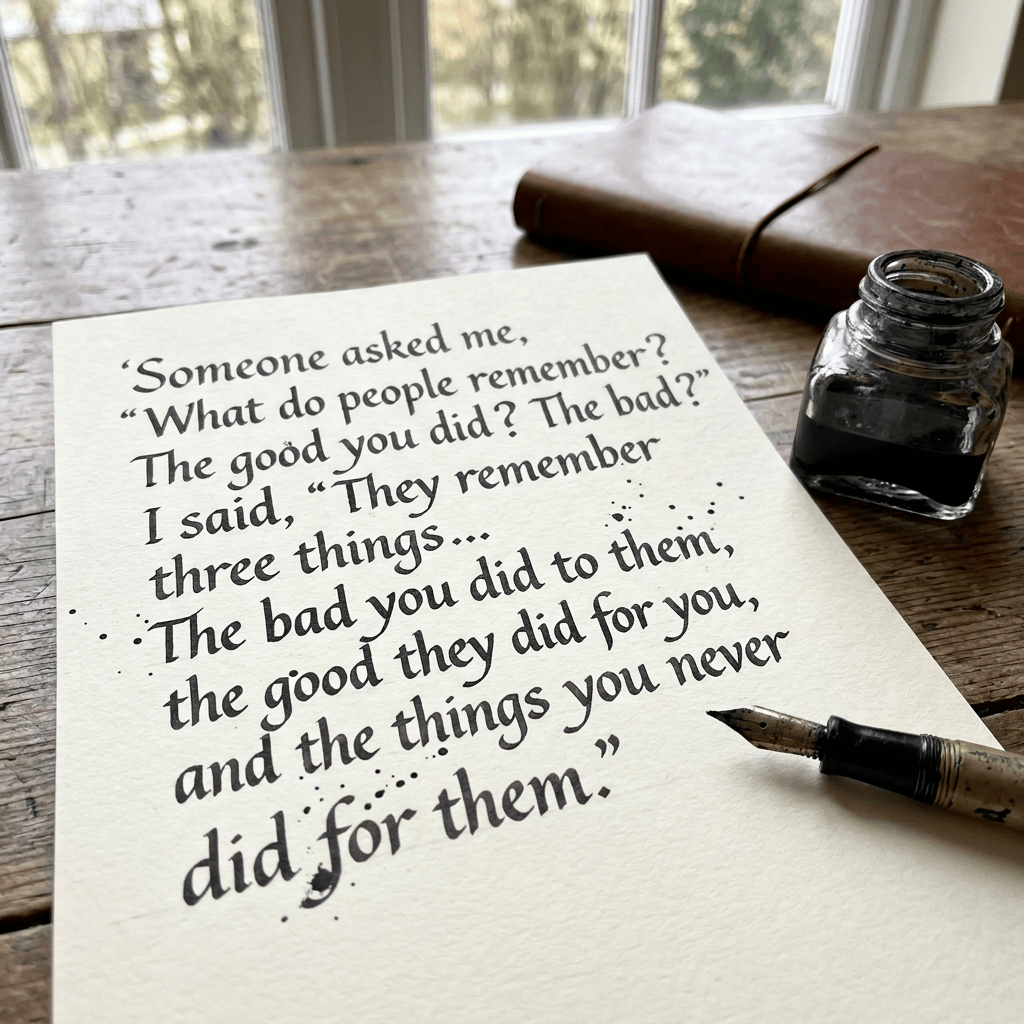
When things in a relationship come to an end, there are three main things that they remember about you but out of those three things, one comes out the most. They will always remember the bad things you did to them and how you hurt them. Even as the days go by, they will always remember the bad things first out of everything else. Remembering the bad things or the mistakes are typically what people hold on to the longest and will surely remind you of them if given the opportunity to do so. This lingering remembrance can often manifest itself in conversations, fleeting thoughts, or even in the shadows of their minds, making it difficult for them to move forward. Despite being in a phase of “Oblivion,” what is done is done, and that is how they will see you from now on. Even if you work on yourself and change for the better, people typically never forget the bad things you did or how you hurt them; these impressions linger like ghostly echoes of the past. The reality is that you are the one who has to learn to move past that because nothing that you do will ever right the wrongs entirely; the scars may fade, but they do not disappear completely. The image of you will always be of a bad person, even if you are no longer bad and have evolved into someone more compassionate and caring. Many times, we hurt our loved ones without even realizing it, and those inadvertent wounds slowly take a toll on them, creating a chasm that may be hard to bridge. It gradually changes their perception about you and, sadly, that perception never seems to change completely. This is why there are so many failed relationships, marriages, friendships, and other connections; people often dwell on the negative memories while overlooking the potential for growth and redemption. The main focus is that no matter how much of a bad person others might have you or see you as, you have to always focus on bettering your past mistakes and acknowledging your flaws. You have to concentrate on becoming a better person so that in your future, you do not inadvertently hurt others as you did in your past. There is also a strong realization when you comprehend that most of the time, those people who have hurt you never see the damage they caused, and that is simply something you have to live with. In order to heal and move forward, you have to forgive and forget, which allows you to bypass that void that was left in your soul, permitting light and hope to seep back in. You also have to forgive yourself in the process so that you can work on all your flaws and past mistakes without the burden of guilt weighing you down. Working on yourself comes from the acknowledgment that you did things wrong and that there is no excuse for what you did wrong; it’s part of the growth process. You have to accept responsibility and keep working on yourself on a daily basis, taking small steps to cultivate a healthier mindset and a more positive approach to relationships, ensuring that you learn from the past while striving to become the person you aspire to be. Seeking feedback from trusted friends and engaging in self-reflection can also aid you in this journey, helping to illuminate your path toward becoming a more empathetic and understanding individual.
“Honesty is telling the truth to ourselves and others. Integrity is living that truth.”
– Kenneth H. Blanchard
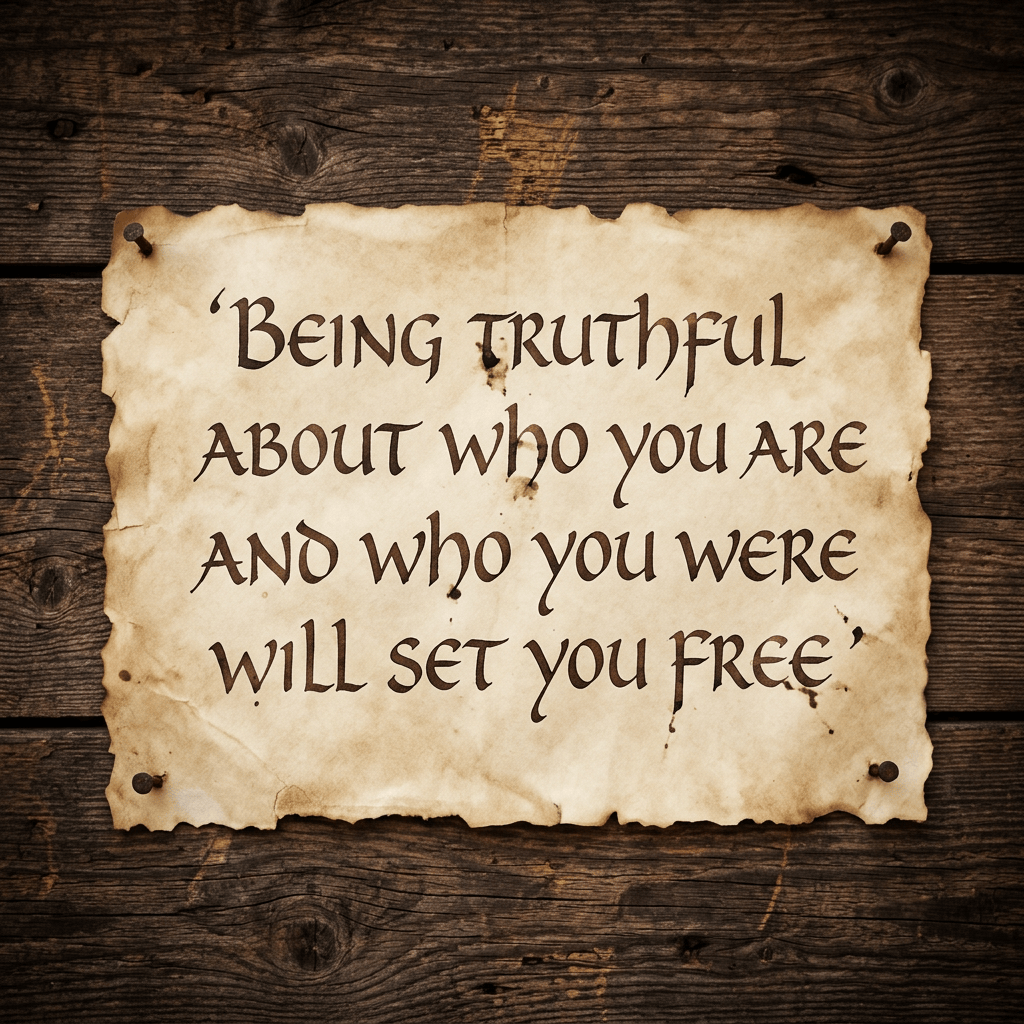
The hardest part about this phase is being honest about who you are. If you lied, then you must have the courage to speak the truth, even when it feels daunting. Acknowledging the truth can be a painful process, but it is essential for growth. If you hurt someone, then you must be willing to answer any questions they may have, understanding that their healing may depend on your willingness to engage in this difficult dialogue. If you hurt others, then you must have the courage to ask for forgiveness, recognizing that it is not a sign of weakness but a profound act of strength and humility. The only way that you can really bring closure to your life after hurting someone or being hurt is by being truthful with yourself and others. Speaking the truth will really set you free, and while you might not see the benefits right away, as time goes by, you will begin to feel the freedom taking root in your life. Those black and white days will soon start transforming into vibrant color; the shades of joy, sorrow, and hope will all intermingle, creating a beautiful mirage of experiences. Those emotionless chains that once bound you will soon begin to fall off, allowing you to experience authentic feelings once again. Yes, you will always remember those who hurt you and those you loved so dearly, but with time and honesty, you will be able to move past that, shifting your focus towards the potential for healing and joy in your future. You will regrow your garden with beautiful hydrangeas and peonies, colorful reminders of resilience, and the marvelous butterflies will flit past, each one a symbol of transformation, leaving you with amazing memories of a life fully lived. That freedom will never cease to amaze you as soon as you become truthful to both you and others. Let’s admit it; sometimes we become blinded by emotions and blame everyone else but ourselves. Yet, when we finally embrace the truth, we can really see the person who we are, understand our flaws, and identify what genuinely needs to change. That all ends up in your hands, resting on your choices—whether to continue along the same path or to truly change so that you can become a source of goodness for others in the future. Life is not always about being bad or hurting others; it is a journey of discovery, where we learn to forgive ourselves and others, and when you find your identity, you become the person you always desired to be, capable of loving deeply and authentically. Embracing this journey may take time, but it will ultimately lead to a life enriched with purpose, compassion, and an unwavering commitment to truthfulness.